In the packaging industry, carton sealing is essential to ensure products remain secure during storage, handling, and transportation. Choosing the right hot melt adhesive for carton packaging can significantly improve packaging efficiency, bonding performance, and overall product protection.
Different carton materials, packaging machines, and working environments require different adhesive solutions. A hot melt glue that works well for one application may not deliver the same results in another.
Based on years of experience in manufacturing and applying carton sealing hot melt adhesives, we explain the key factors to consider when selecting the right adhesive for your packaging needs.
Why use hot melt adhesive for carton packaging?
Hot melt adhesive is one of the most widely used carton sealing adhesives in modern packaging applications. It is commonly used for sealing corrugated boxes, paper cartons, and automatic packaging lines due to its fast bonding speed, strong adhesion, and high production efficiency.
Compared with traditional water-based adhesives and adhesive tapes, packaging hot melt glue offers several advantages:
1. Fast bonding speed for high-efficiency packaging
One of the biggest advantages of hot melt adhesive is its rapid setting time.
Unlike water-based adhesives that require evaporation and drying, hot melt glue bonds within seconds after application. This makes it ideal for high-speed carton sealing machines and automated packaging production lines where fast processing is required.
2. Strong adhesion and reliable carton sealing
A high-quality carton sealing hot melt adhesive provides excellent bonding strength between paper surfaces.
During testing, a good adhesive bond often causes fiber tear, meaning the paper fibers break before the adhesive joint fails. This indicates strong adhesion and helps prevent cartons from opening during transportation, vibration, or stacking.
At the same time, hot melt adhesive maintains good flexibility, allowing the carton joint to withstand minor deformation during handling.
3. Cleaner application and easier equipment maintenance
Compared with liquid adhesives, hot melt adhesive creates less mess during application.
Because it is applied in a molten state and solidifies quickly after bonding, it reduces problems such as dripping, excessive moisture, and long drying times. Packaging equipment is also easier to maintain and clean, especially in continuous production environments.
4. Ideal for automatic carton sealing lines
For modern packaging factories, production speed and efficiency are key factors.
Unlike adhesive tape, which relies on mechanical attachment, hot melt glue forms a direct adhesive bond with carton surfaces. It is especially suitable for automatic carton sealing systems, helping companies improve packaging speed while reducing material consumption.
What types of hot melt adhesives are commonly used in carton packaging?
Choosing the right hot melt adhesive for carton packaging is essential for achieving strong sealing performance, improving packaging efficiency, and ensuring product safety during transportation.
Different packaging applications require different adhesive properties. Factors such as carton material, production speed, storage conditions, and transportation environment all influence the choice of carton sealing adhesive.
The most commonly used hot melt adhesives for carton packaging include EVA, PO, SBC, and PUR hot melt adhesives. Each type offers different advantages and is suitable for specific packaging requirements.
1. EVA hot melt adhesive for carton packaging
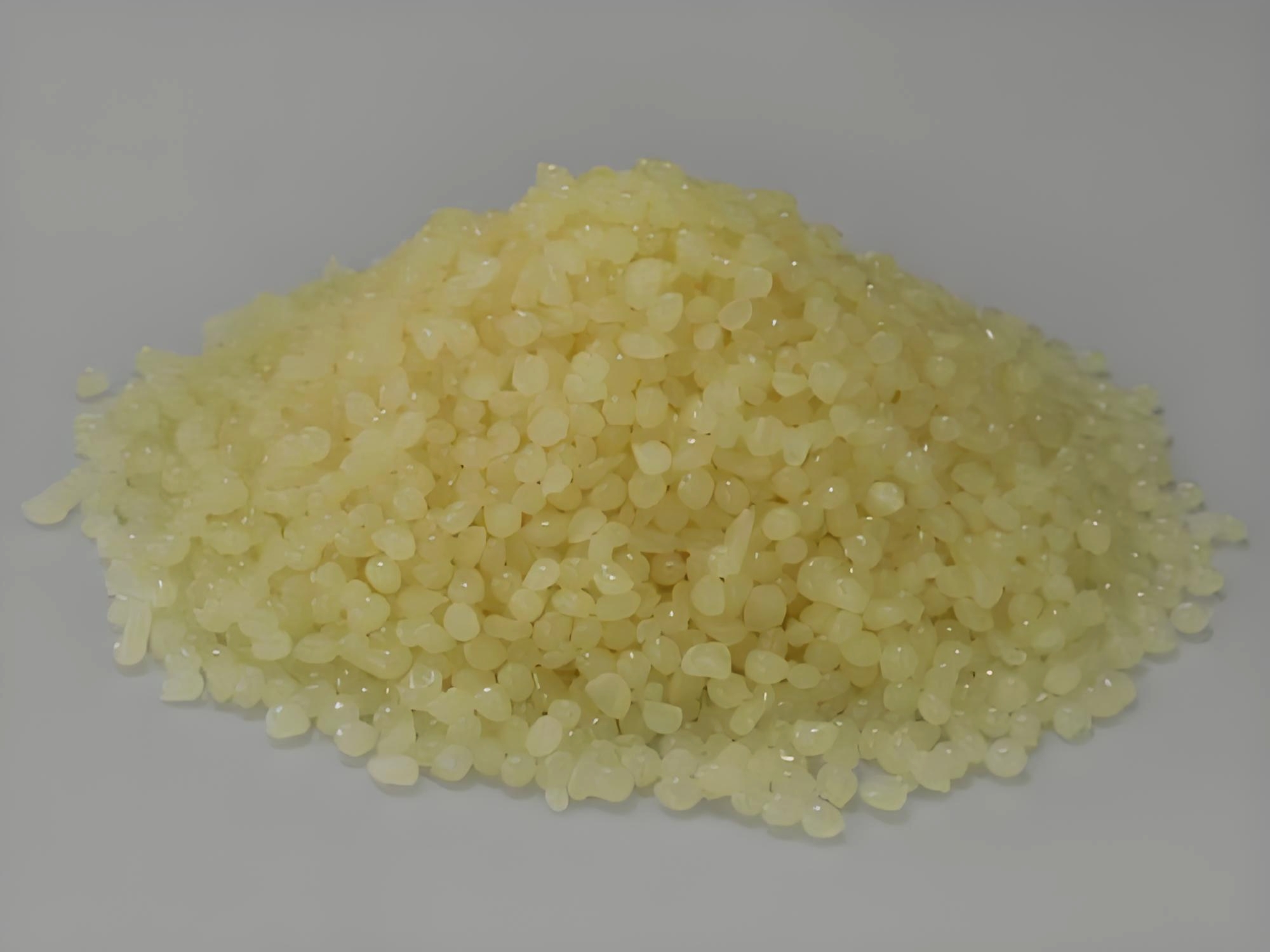
EVA (Ethylene Vinyl Acetate) hot melt adhesive is the most widely used solution for carton sealing applications due to its balanced performance and competitive cost.
Characteristics:
- Good initial tack
- Fast setting speed
- Stable bonding performance
- Cost-effective compared with other hot melt adhesive types
Advantages:
EVA hot melt adhesive provides excellent adhesion to common corrugated cardboard and paperboard materials. It works well with most automatic carton sealing machines and offers a suitable open time for industrial packaging applications.
Typical application temperatures are around 150°C–180°C, depending on the formulation and equipment requirements.
Limitations:
Compared with high-performance hot melt adhesives, EVA has limited temperature resistance. The adhesive may soften under continuous high temperatures (softening point usually around 70°C–80°C) or become brittle in extremely cold environments.
For example, cartons transported through tropical regions with high container temperatures or exposed to severe cold conditions may require a more specialized adhesive solution.
Suitable applications:
- Corrugated carton sealing
- General industrial packaging
- E-commerce shipping boxes
- Outer cartons for food and consumer products (non-direct contact)
2. PO hot melt adhesive for carton packaging
PO (Polyolefin) hot melt adhesive is a newer generation packaging adhesive designed for applications requiring improved thermal stability and environmental resistance.
Characteristics:
- Excellent heat stability
- Strong oxidation resistance
- Low odor and low VOC characteristics
- Good long-term performance under continuous heating
Advantages:
Compared with EVA hot melt adhesive, PO hot melt adhesive provides better heat resistance, with a softening point that can exceed 100°C depending on the formulation.
Due to its lower density, PO adhesive can often achieve similar bonding strength with a lower coating weight, helping reduce adhesive consumption and overall packaging costs.
It also has excellent stability in the glue tank, reducing the risk of carbonization during long production runs.
Limitations:
PO hot melt adhesive usually requires more accurate temperature control during application. Its initial wetting speed may be slightly slower than EVA, especially on certain paperboard surfaces.
Suitable applications:
- High-speed automatic carton sealing lines
- Export packaging for hot climate regions
- Frozen food and cold storage packaging
- Odor-sensitive packaging, such as food and cosmetics packaging
3. SBC hot melt adhesive for carton packaging
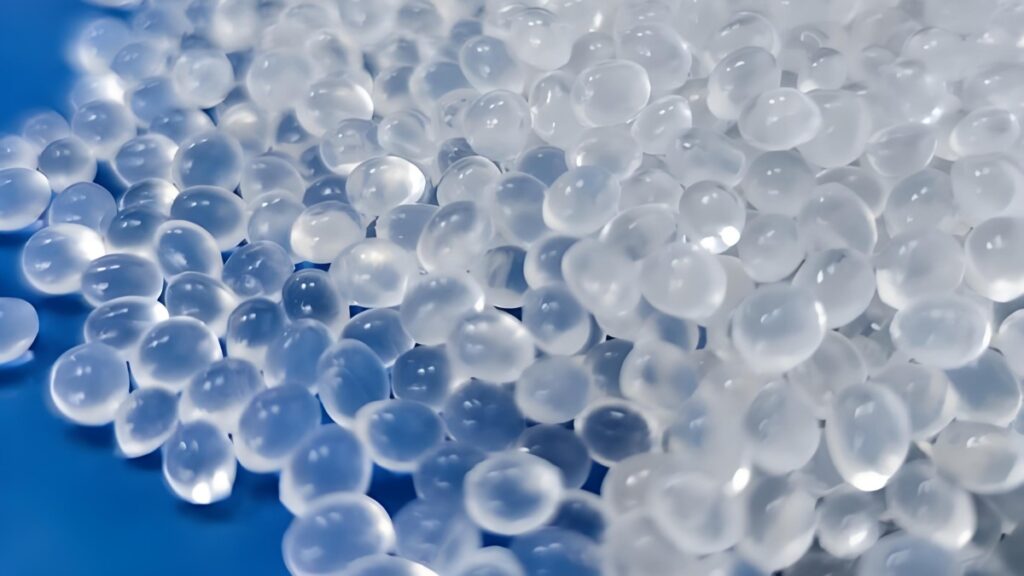
SBC (Styrene Block Copolymer, including SBS and SIS) hot melt adhesive is mainly used where high initial tack and flexibility are required.
Characteristics:
- Extremely high initial tack
- Excellent flexibility at low temperatures
- Good adhesion to coated or difficult-to-bond surfaces
Advantages:
SBC hot melt adhesives maintain flexibility in low-temperature environments and can prevent adhesive failure caused by brittleness.
They are suitable for packaging materials that are laminated, varnished, or have lower surface energy where standard adhesives may have difficulty bonding.
Limitations:
Compared with EVA and PO hot melt adhesives, SBC generally has lower heat resistance and a higher material cost.
Suitable applications:
- Cold chain packaging
- Frozen food transportation
- Winter climate shipping
- Heavy-duty cartons requiring impact resistance
4. PUR hot melt adhesive for carton packaging
PUR (Polyurethane Reactive) hot melt adhesive is a high-performance reactive adhesive that provides superior bonding durability compared with traditional thermoplastic hot melt adhesives.
Unlike EVA, PO, and SBC adhesives, PUR hot melt adhesive does not rely only on cooling to form a bond. After application, it reacts with moisture in the air and forms a permanent cross-linked structure.
Characteristics:
- Permanent chemical bonding
- Excellent resistance to heat, water, and chemicals
- Superior long-term durability
Advantages:
PUR hot melt adhesive provides outstanding environmental resistance and can perform in a wide temperature range (approximately -40°C to 120°C, depending on the formulation).
It is suitable for applications requiring long-distance transportation, harsh environments, or higher packaging reliability.
Limitations:
- Higher cost compared with EVA hot melt adhesive
- Requires professional application equipment
- More demanding storage and handling conditions
- Equipment cleaning requires special procedures
Suitable applications:
- High-value export packaging
- Heavy-duty cartons
- Packaging exposed to high temperatures during ocean transportation
- Special applications requiring long-term bonding performance
EVA vs PO vs SBC vs PUR hot melt adhesive for carton packaging
The following table compares the performance of EVA, PO, SBC, and PUR hot-melt adhesives for carton packaging:
| Comparison Dimensions | EVA | PO | SBC | PUR |
| Advantages | High cost performance | High speed without carbonization, good heat resistance | Good low-temperature performance and good adhesion to difficult to adhere substrates | Highest strength, permanently secure |
| Temperature range | 0℃ ~ 60℃ | -10℃ ~ 70℃+ | -30℃ ~ 50℃ | -40℃ ~ 120℃ |
| Opening Hours | Medium (3-8 seconds) | Short (1-5 seconds) | Medium (2-6 seconds) | Long (8-30 seconds) |
| Water proof | Generally | Better | Better | Excellent |
| Applicable cardboard | Ordinary/Recycled Paperboard | All types (especially recycled paper) | Lamination/Coating/Heavy Carton | Heavy duty/high value cartons |
| Device compatibility | Excellent | Generally | Generally | Special equipment |
| Cost | Low | Medium | High | Highest |
How to select hot melt adhesive according to carton type?
Selecting the right hot melt adhesive for carton packaging is not only about adhesive strength. The carton material, surface treatment, production speed, and transportation environment all affect bonding performance.
Different types of cardboard require different adhesive formulations. Choosing the wrong carton sealing adhesive may lead to poor adhesion, carton opening during transportation, or production issues on automatic packaging lines.
Based on practical application experience, the recommended hot melt adhesive solutions for different carton types are as follows:
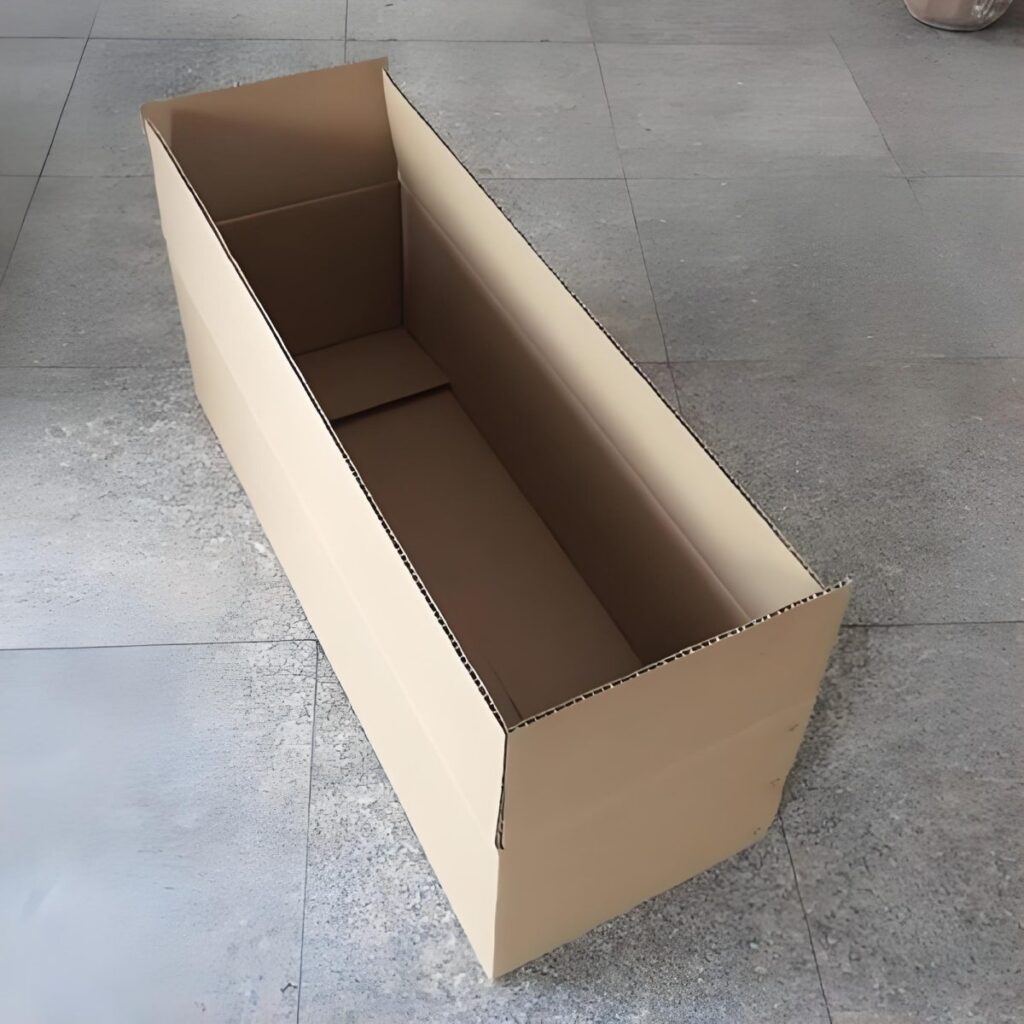
1. Standard recycled corrugated cartons
Recommended adhesive: Low-viscosity EVA or PO hot melt adhesive
Recycled corrugated cardboard is one of the most common materials used for shipping cartons. However, recycled paper usually contains shorter fibers and has a more porous, uneven surface.
Because the adhesive needs to penetrate quickly into the paper surface, a lower-viscosity EVA hot melt adhesive for cartons or PO hot melt adhesive is usually a good choice.
Suitable Applications:
- E-commerce shipping boxes
- General industrial packaging
- Standard corrugated cartons
Recommended Features:
- Good wetting ability
- Fast bonding speed
- Strong adhesion to porous paper surfaces
2. Premium virgin kraft paper cartons
Recommended adhesive: High-viscosity EVA or PUR hot melt adhesive
Virgin kraft paper has longer fibers, higher density, and a smoother surface compared with recycled cardboard.
A higher-viscosity carton packaging hot melt adhesive can provide better surface contact and stronger bonding performance.
For applications requiring higher durability, PUR hot melt adhesive can provide improved resistance to moisture, heat, and long-term transportation conditions.
Suitable Applications:
- Premium product packaging
- Export cartons
- Heavy-duty packaging boxes
Recommended Features:
- Higher bonding strength
- Excellent fiber tear performance
- Better long-term durability
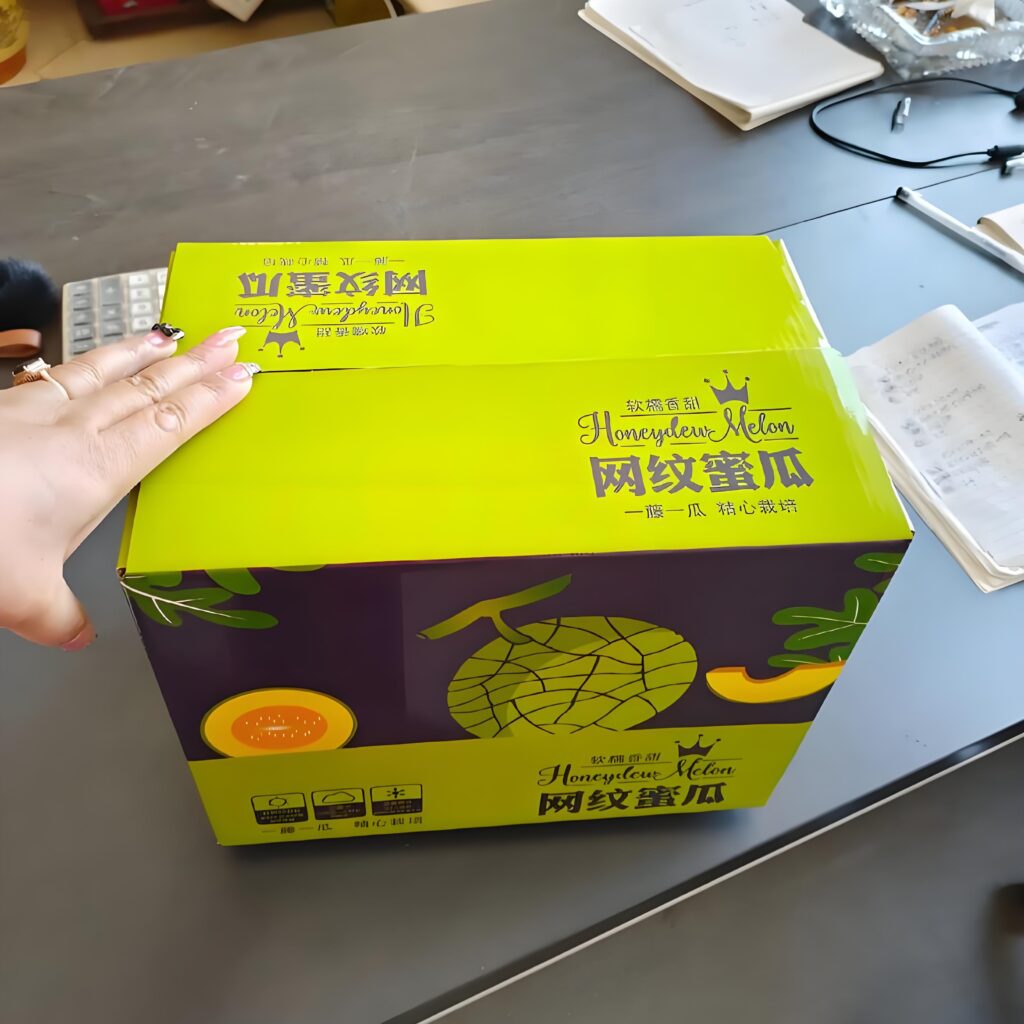
3. Laminated, UV-coated, or high-gloss printed cartons
Recommended adhesive: Modified EVA, SBC, or PUR hot melt adhesive
Some printed cartons have surfaces treated with BOPP film, UV coating, varnish, or water-based coatings. These treatments reduce surface porosity and surface energy, making them more difficult to bond.
Standard hot melt adhesives may have insufficient wetting ability on these surfaces. Modified formulations such as SBC or PUR hot melt adhesives can provide better adhesion on low-energy surfaces.
Suitable Applications:
- Luxury packaging boxes
- Cosmetic packaging
- Electronics packaging
- High-end printed cartons
Recommended Features:
- Strong adhesion to coated surfaces
- Better resistance to peeling
- Improved bonding reliability
4. Moisture-resistant and cold chain cartons
Recommended adhesive: SBC or PUR hot melt adhesive
Cartons used for frozen food, seafood, and fresh produce often have moisture-resistant treatments or polyethylene coatings to protect the paper from water damage.
These surfaces require adhesives with excellent flexibility and environmental resistance.
SBC hot melt adhesive provides good low-temperature flexibility, while PUR hot melt adhesive offers stronger resistance to moisture and temperature changes.
Suitable applications:
- Frozen food packaging
- Seafood cartons
- Refrigerated transportation
- Cold chain logistics
Recommended features:
- Low-temperature flexibility
- Moisture resistance
- Long-lasting bonding performance
How to choose the right hot melt adhesive for carton packaging?
Besides carton material, several other factors should be considered when selecting a carton packaging hot melt adhesive.
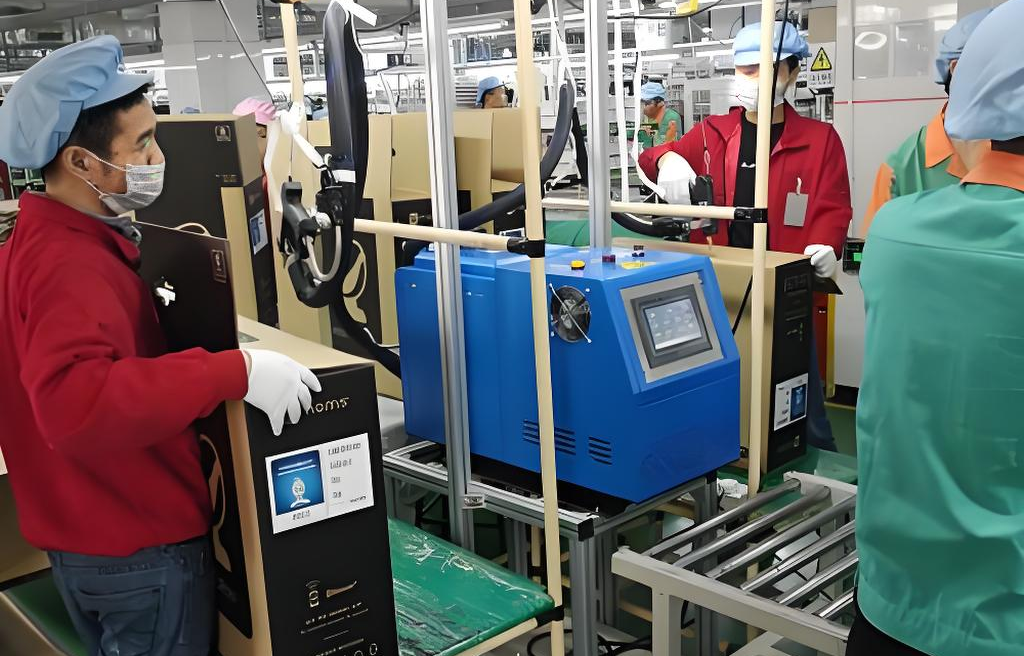
1. Check your production line speed
The speed of your carton sealing machine directly affects adhesive selection.
High-speed packaging lines require adhesives with suitable open time and fast setting performance. If the adhesive sets too quickly or too slowly, it may affect sealing quality and production efficiency.
Before choosing an adhesive, confirm:
- Cartons sealed per minute
- Application temperature
- Glue application method
- Machine type
2. Analyze your carton material and surface condition
Provide detailed information about your carton material to the adhesive supplier, including:
- Paper type (kraft paper, recycled paper, coated paper)
- Carton thickness
- Surface treatment
- Required bonding strength
Whenever possible, sending actual carton samples for testing is recommended. Adhesive suppliers can evaluate factors such as paper porosity, surface energy, and bonding performance.
3. Conduct adhesive testing before mass production
Before placing large orders, test several adhesive samples under your actual production conditions.
During testing, evaluate:
- Initial tack
- Bond strength
- Fiber tear performance
- Machine running stability
- Temperature resistance
- Storage performance
Testing under real production conditions provides more reliable results than comparing technical data alone.
4. Compare adhesive cost per carton, Not price per kilogram
The lowest price per kilogram does not always mean the lowest packaging cost.
A better calculation method is:
Adhesive cost per 1,000 successfully sealed cartons
Consider:
- Adhesive consumption per carton
- Coating weight
- Production speed
- Waste rate
- Rework cost caused by poor bonding
A higher-performance adhesive may reduce total packaging costs by improving production efficiency and reducing failures.
How to test hot melt adhesive for carton packaging before purchasing?
Before purchasing hot melt adhesive for carton packaging, it is important to test whether the adhesive can meet your carton material, production speed, and transportation conditions.
Before placing a bulk order, we recommend conducting the following carton packaging adhesive tests.
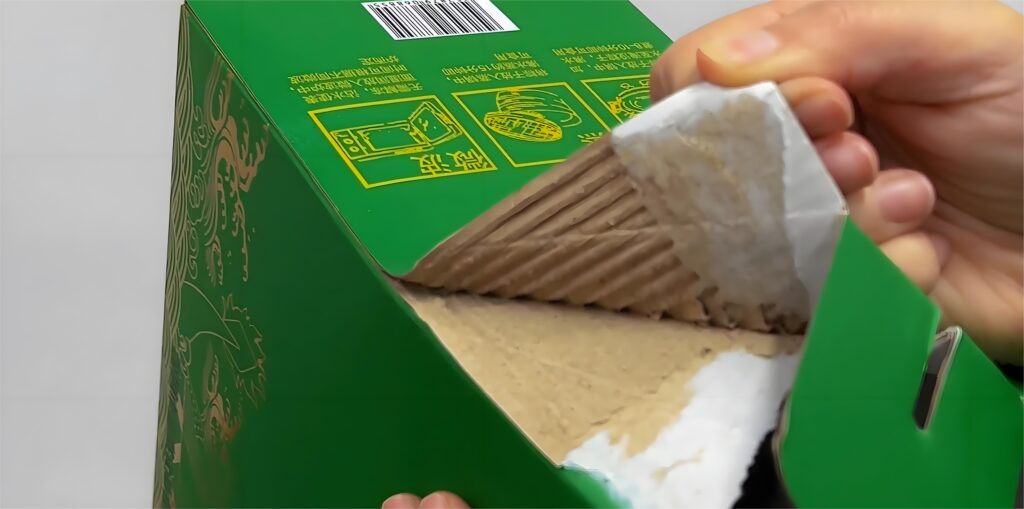
Step 1: 24-Hour Peel Test (Bond Strength Test)
The 24-hour peel test is one of the simplest and most effective methods to evaluate the bonding strength of a carton sealing hot melt adhesive.
Testing Method:
- Apply the hot melt adhesive to the carton flap.
- Seal the carton under normal production conditions.
- Allow the carton to sit for 24 hours until the adhesive reaches its final bonding strength.
- Manually separate the bonded area and observe the paper surface.
Evaluation Result:
A good adhesive bond should show visible paper fiber tear along the glue line.
When the paper fibers tear before the adhesive joint separates, it indicates that the hot melt adhesive has achieved strong penetration and adhesion.
A poor result occurs when:
- The glue layer separates cleanly from the paper.
- Little or no paper fiber remains on the adhesive surface.
This usually indicates insufficient wetting, poor compatibility with the carton surface, or an unsuitable adhesive formulation.
Step 2: Open Time Test
Open time refers to the period during which the hot melt adhesive remains capable of forming a strong bond after application.
This is especially important for automatic carton sealing machines, where cartons need to be folded and closed within a specific time window.
Testing Method:
After applying the hot melt adhesive:
- Close the carton flaps after 1 second.
- Repeat the test at 3, 5, and 8 seconds.
- Compare the bonding performance at different closing times.
The longest time that still provides reliable bonding is considered the adhesive’s effective open time.
Why Open Time Matters:
Different packaging lines require different open times.
- Small cartons with high-speed sealing machines usually require faster setting adhesives.
- Large cartons or slower production lines may require longer open time to allow enough time for folding and positioning.
Choosing the wrong open time can result in incomplete bonding or carton opening during transportation.
Step 3: High and Low Temperature Resistance Test
Cartons are often exposed to different temperature conditions during storage and transportation, especially during international shipping.
A reliable hot melt adhesive for carton packaging should maintain bonding strength in both high and low temperatures.
High Temperature Test:
Place sealed cartons in an oven at:
- 50°C
- 60°C
(depending on the expected transportation environment)
Check whether the carton seal shows:
- Adhesive softening
- Seal movement
- Bond failure
Low Temperature Test:
Place sealed cartons in a cold chamber at:
- -10°C
- -20°C
- -30°C
for 24 hours.
Observe whether the adhesive becomes:
- Brittle
- Cracked
- Detached from the paper surface
This test is particularly important for:
- Frozen food packaging
- Cold chain logistics
- Export shipments to extreme climates
Conclusion
EVA is the preferred material for hot melt adhesives in cardboard packaging due to its excellent adhesion, fast bonding speed, stable performance, and competitive cost.
For specialized applications requiring higher moisture resistance or temperature resistance, PO or PUR hot melt adhesives for cardboard packaging may offer better performance.
Choosing the best hot melt adhesive for cardboard packaging depends on your cardboard material, production speed, and application requirements. Having 2-3 types on hand (e.g., basic EVA + high-performance mPO + difficult-to-bond PUR) and switching flexibly according to order volume can actually minimize overall adhesive costs.
At Zhongshan Blue Rhino New Materials Co., Ltd., we provide customized hot melt adhesives for carton packaging based on different paper materials, carton structures, and production line requirements.
Our technical team can help customers select suitable EVA, PO, or PUR hot melt adhesive solutions according to their application conditions.