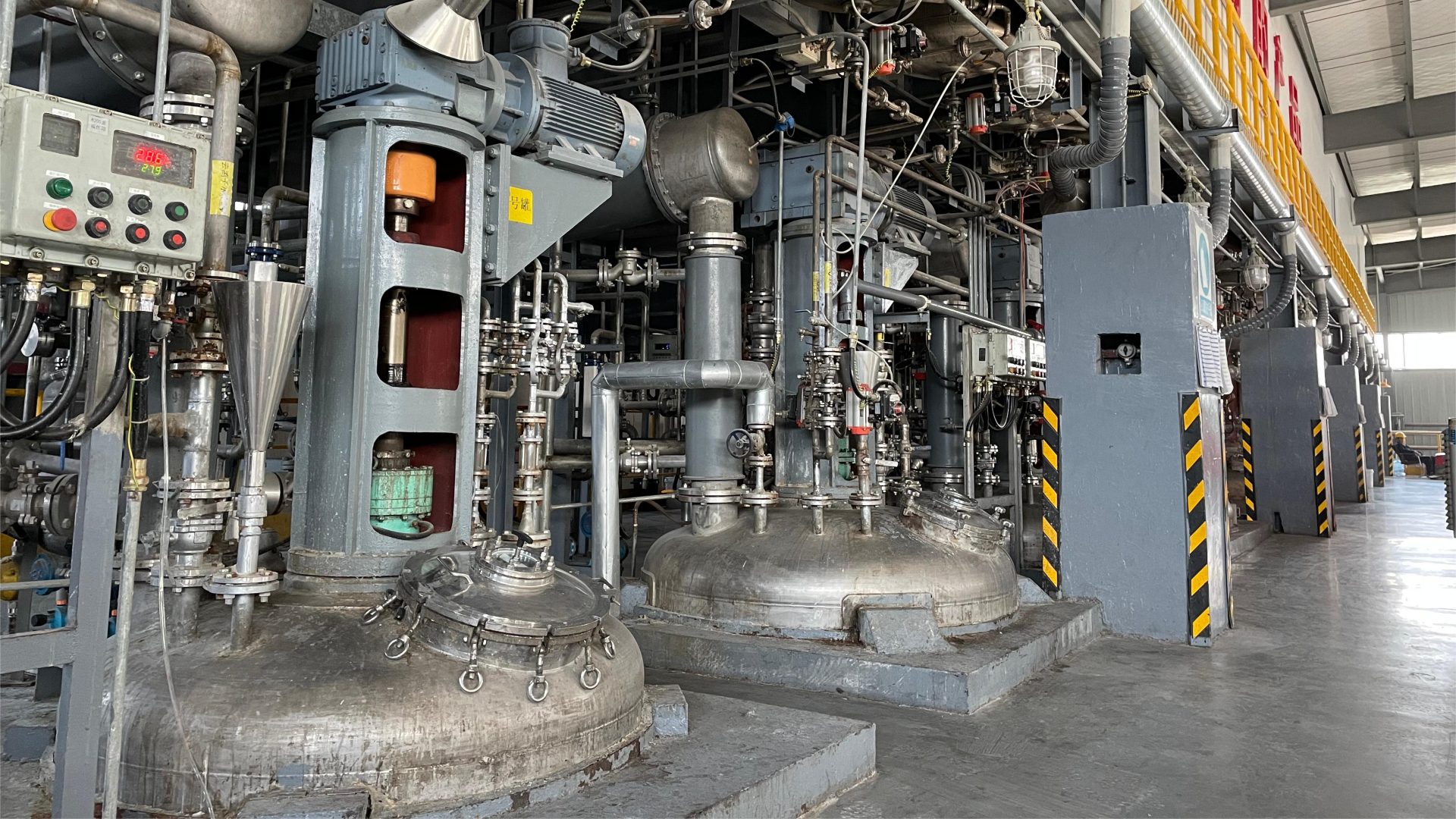
In the woodworking industry, adhesives are indispensable materials that play a crucial role in ensuring the durability, strength, and visual quality of furniture. Although they are often unnoticed, adhesives are responsible for bonding various substrates together and directly influence the lifespan and structural integrity of finished products. Among the many types of wood adhesives available—such as PVA, epoxy, polyurethane, and EVA—PVA wood adhesive remains the most widely used option in woodworking workshops and furniture manufacturing factories worldwide.
For furniture manufacturers seeking dependable bonding solutions and adhesive distributors or traders looking to supply proven, high-demand products, understanding the key applications of PVA adhesives in the woodworking industry is essential. This comprehensive guide explores how PVA wood glue is used across different woodworking processes and explains why it continues to be the preferred adhesive for modern wood bonding.
What is PVA Wood Glue?
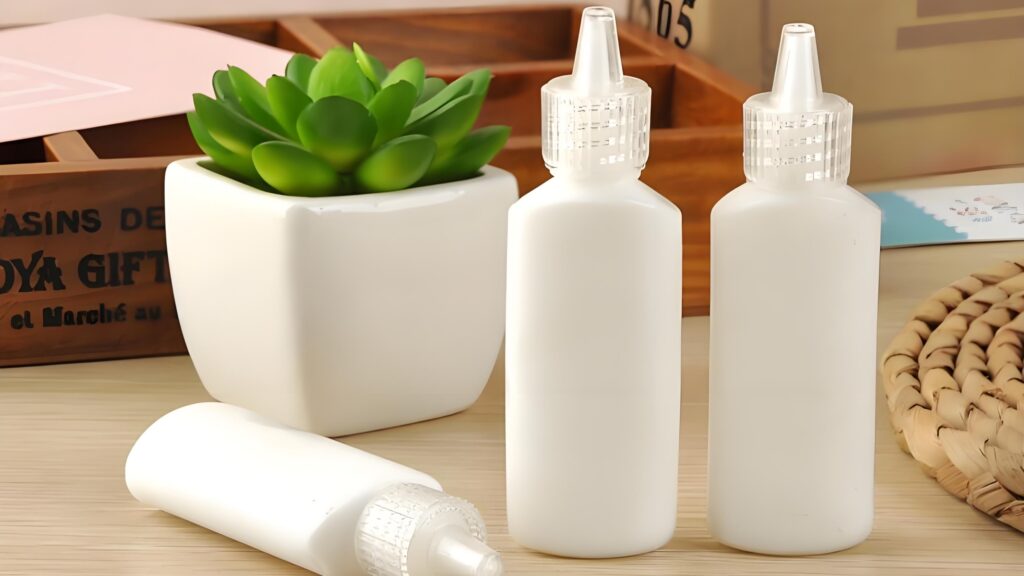
PVA (Polyvinyl Acetate) glue, also known as white glue or wood glue, is one of the most widely used water-based adhesives in the woodworking and furniture manufacturing industries. It is known for its strong bonding strength, easy application, and eco-friendly formulation.
What Are the Applications of PVA Adhesive in Woodworking?
PVA adhesive is one of the most versatile and widely used woodworking adhesives in modern furniture manufacturing. Its applications cover nearly every major bonding process, including:
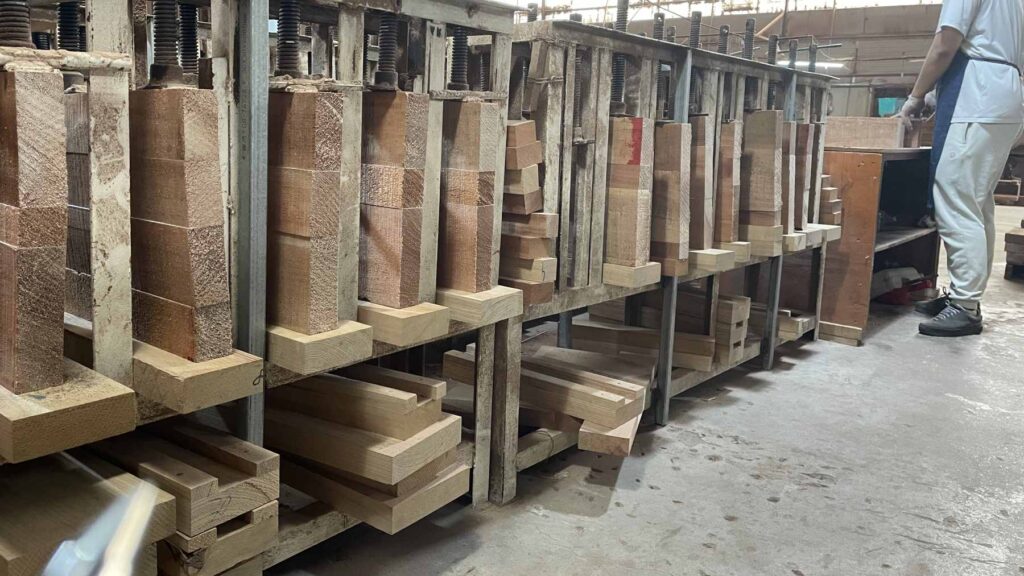
1. Board-to-board lamination and bonding (solid wood, MDF, particleboard), such as log splicing and bonding the internal frames of wooden doors.
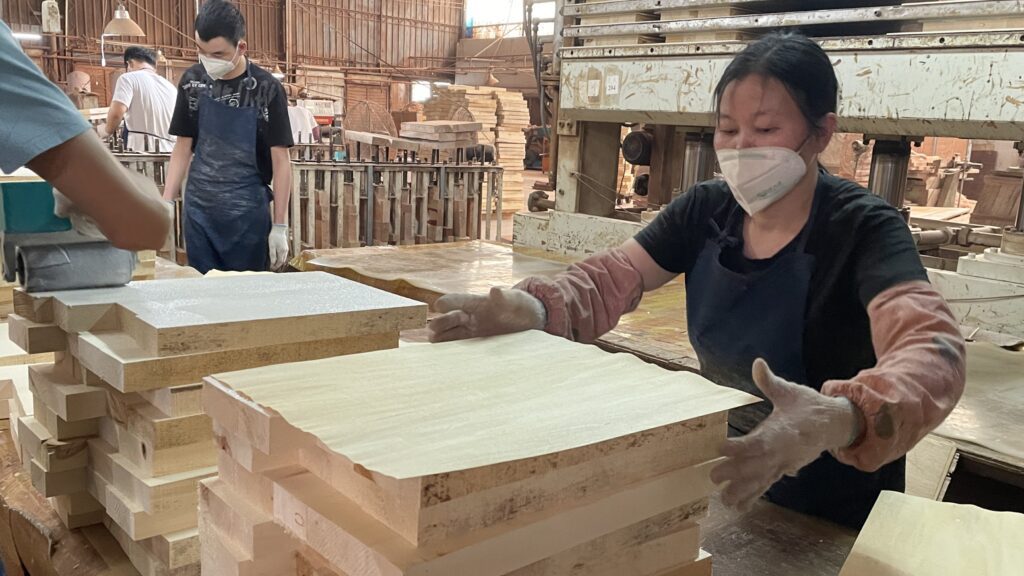
2. Bonding wood-based panels to wood veneer, commonly used in veneered furniture surface lamination.
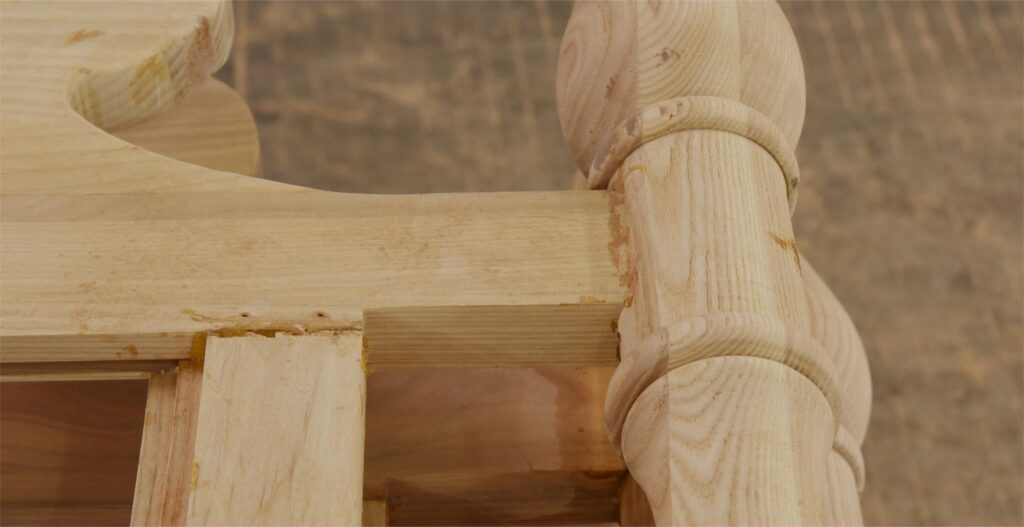
3. 45° and 90° assembly and tenon joints for solid wood, MDF, or particleboard, such as in the joint assembly of wooden stools, chairs, and tables.
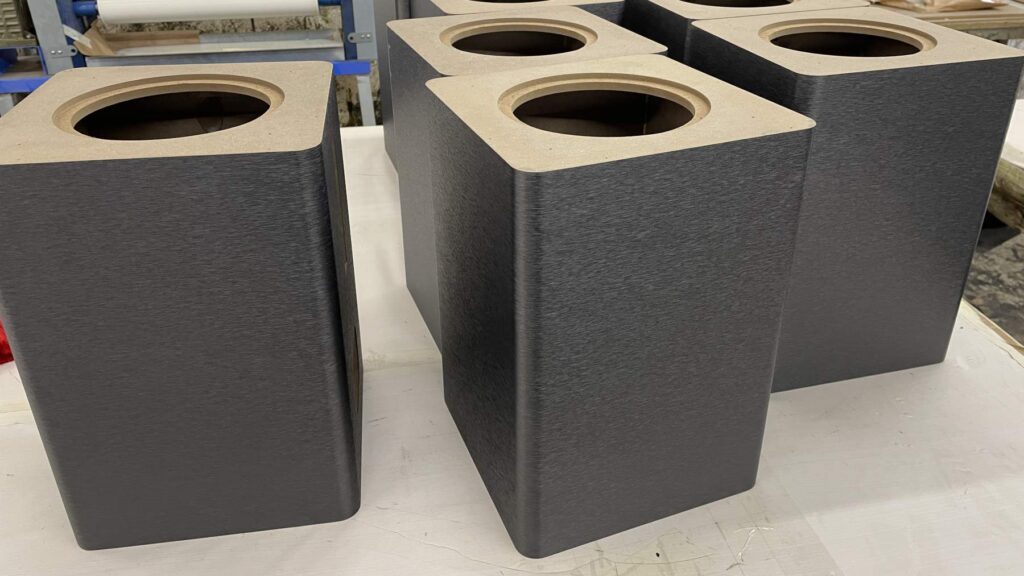
4. Bonding wood panels to plastic films (PVC, PP, PET), such as surface lamination for wooden speaker cabinets.
5. Bonding wood panels to decorative paper, widely used in minimalist and flat-pack furniture like IKEA-style products.
6. Repairing and reinforcing wooden joints, improving overall stability and durability.
Why Is PVA Adhesive the Preferred Choice for Furniture Manufacturers?
For furniture manufacturers, choosing the right adhesive directly impacts product durability, production efficiency, and overall cost-performance. Compared to other types of wood adhesives, PVA wood glue offers several key advantages:
1. Superior Bond Strength
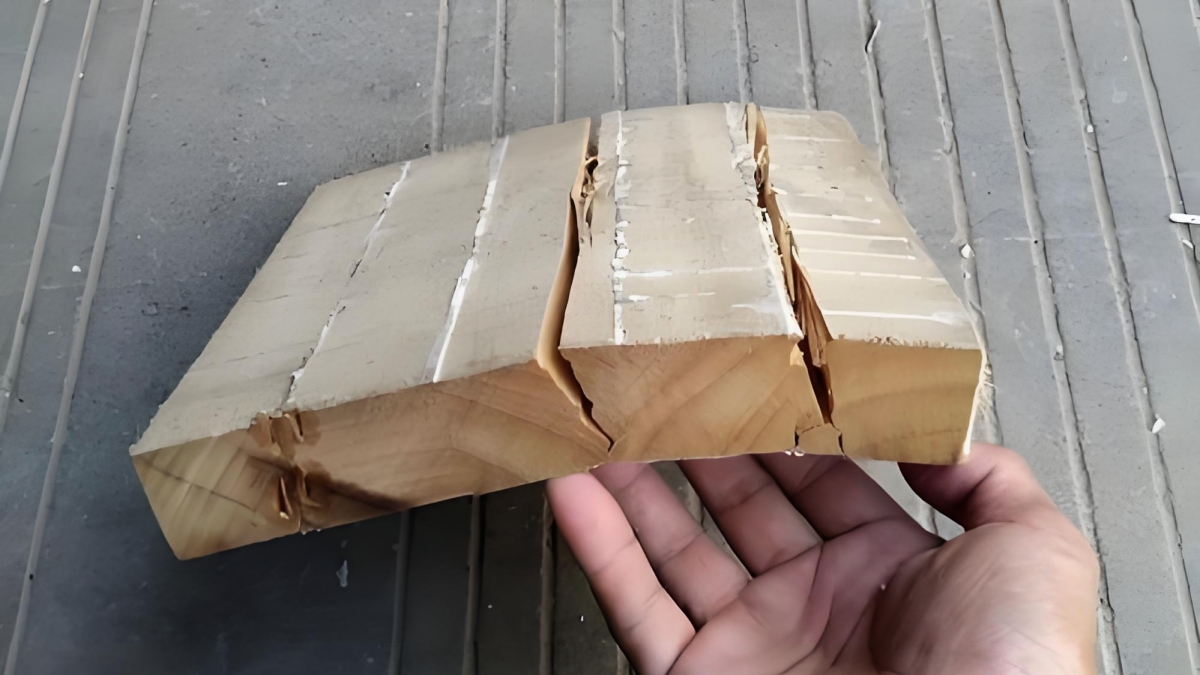
When properly applied, the cured PVA adhesive film is often stronger than the wood itself. The glue penetrates wood fibers deeply and forms strong molecular bonds, ensuring long-lasting durability capable of withstanding everyday mechanical stress—keeping chairs, tables, cabinets, and other furniture sturdy for years.
2. Easy Application and Cleanup
PVA adhesive is user-friendly and can be applied directly with brushes or rollers. It offers a manageable open time (usually 5–15 minutes) and can be easily cleaned with water before curing—ideal for both small workshops and large-scale production lines.
3. Fast Curing for Higher Efficiency
PVA wood glue cures within minutes to about an hour, allowing faster clamping and handling without compromising bonding quality. This significantly improves production efficiency, which is essential for modern furniture factories.
4. Clean and Transparent Finish
Once cured, PVA adhesive dries clear and non-tacky, leaving no visible residue on the surface. This ensures clean, high-quality finishes in visible furniture areas.
5. Environmentally Friendly & Low VOC
PVA adhesive is non-toxic, solvent-free, and low in VOC, making it safe for children’s furniture and products requiring environmental certifications. This is especially important for export-oriented furniture manufacturers targeting Europe and North America.
6. Cost-Effective
Compared to epoxy, polyurethane, and other specialty adhesives, PVA wood glue is highly affordable, typically costing only USD 1–2 per kg. Its excellent performance-to-cost ratio makes it one of the most economical choices for large-scale furniture production.
Comparison table of PVA wood glue and other types of wood adhesives
While other types of glue have specific uses, PVA glue remains the most widely used, cost-effective, and environmentally friendly glue option in woodworking applications.
| Adhesive Type | Main Feature | Application |
| PVA Glue | Environmentally friendly, easy to operate, and cost-effective | Furniture, joinery, DIY |
| EVA Glue | Rapid melting and solidification | Edge banding and wrapping of panel furniture |
| PUR Glue | High strength, water resistance, and weather resistance | High-end furniture edge banding, wrapping, and flat lamination |
| UF Resin Glue | Used in plywood lamination | Industrial plywood production |
Common Questions About PVA Adhesives
Q1: What is the typical shelf life of PVA adhesive?
A: When unopened and stored in a cool, dry environment, PVA adhesive generally has a shelf life of 1–2 years.
Q2: Can PVA adhesive be used on materials other than wood?
A: Yes. PVA adhesive works best on porous materials. In addition to wood, it can effectively bond paper, cardboard, and fabric, but it performs poorly on non-porous surfaces such as metal, glass, or most plastics.
Q3: How does PVA adhesive compare to polyurethane adhesive?
A: Polyurethane adhesive is waterproof, gap-filling, and suitable for outdoor applications, but it expands during curing, needs moisture to activate, and is difficult to clean.
In contrast, PVA wood glue is preferred in woodworking for its stronger wood-to-wood bonding, ease of application, quick cleanup, and lower production cost, making it ideal for furniture manufacturing.
Q4: Is PVA adhesive heat-resistant?
A: Standard PVA adhesives will soften under high temperatures, typically above 60°C (140°F). For furniture placed near heat sources, using heat-resistant or temperature-stable adhesives is recommended.
Q5: Is PVA adhesive water-resistant?
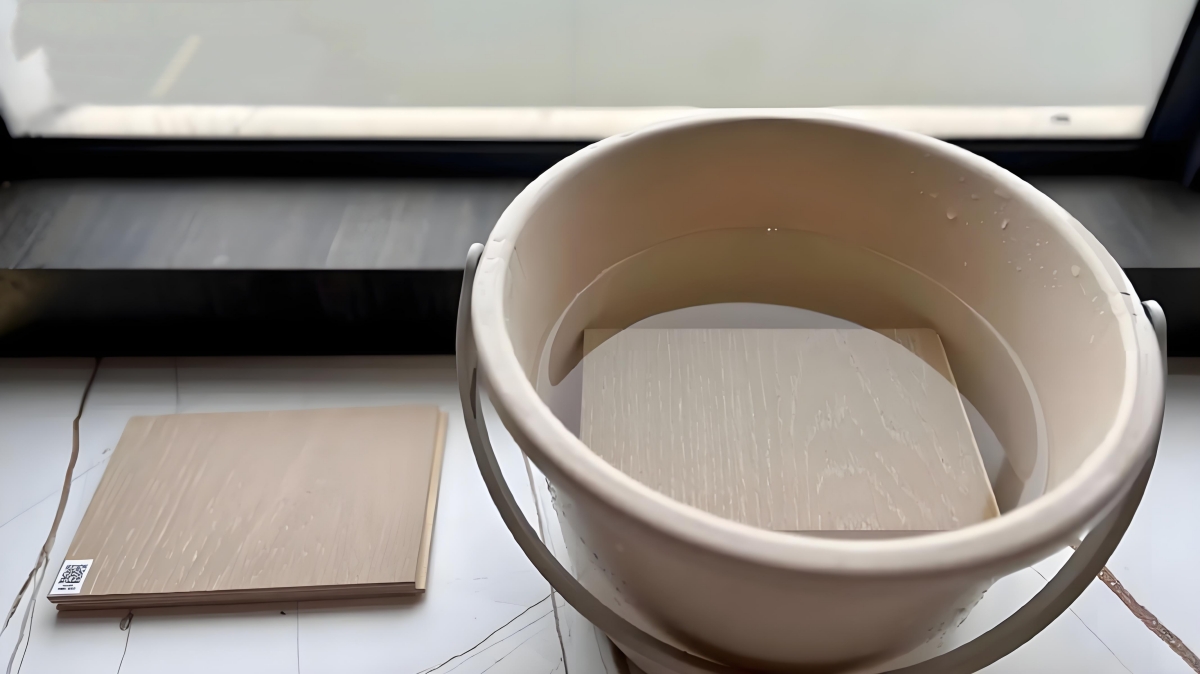
A: With the right formulation, some PVA adhesives can achieve D3 water resistance, making them suitable for kitchen furniture, bathroom cabinets, and other areas exposed to moisture.
Conclusion
PVA adhesives remain essential in the woodworking and furniture manufacturing industry thanks to their reliable performance, clean application, environmental safety, and excellent cost-effectiveness. Whether you are a furniture manufacturer, wood products factory, or adhesive distributor, partnering with a dependable Chinese PVA adhesive supplier can significantly enhance your production efficiency and final product quality.
Contact BlueRhino Adhesives today for free samples or a competitive price list to meet your woodworking adhesive needs.